Get a Free Quote today! Call or text (281) 541-3268

Green Pool Recovery: From Swamp to Swim-Ready
2/15/20267 min read
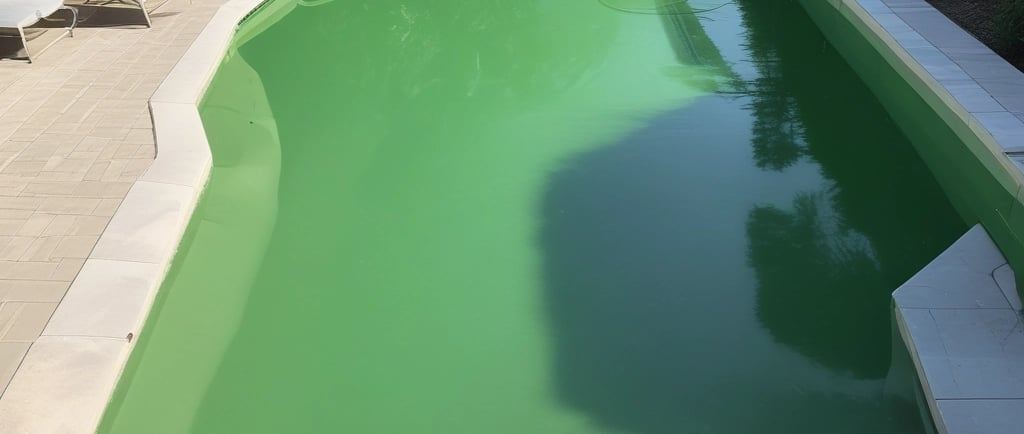
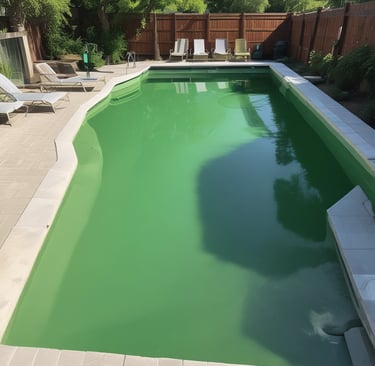
Understanding the Problem: Common Causes of Green Pools in Texas
In Texas, many pool owners face a common dilemma: the emergence of green pools. This phenomenon is chiefly attributed to various environmental factors that create an ideal habitat for algae growth. One of the most significant contributors is the intense heat experienced during the summer months. Elevated temperatures can accelerate algae proliferation, transforming a vibrant pool into a green, murky body of water.
Humidity also plays a crucial role in this process. In regions where humidity levels are high, moisture promotes the growth of algae, especially when coupled with insufficient pool circulation. Without adequate movement of water, the sun's rays can warm specific areas of the pool, making them hospitable for algae colonies. Furthermore, debris such as leaves, dirt, and organic matter can accumulate in stagnant waters, providing nourishment to algae.
Beyond environmental conditions, improper maintenance practices significantly contribute to the normalization of green pools. Pool owners must regularly monitor and adjust chemical levels to ensure a proper balance. When chlorine and pH levels are not adequately regulated, it can lead to an imbalance that promotes algae growth. Notably, failing to maintain appropriate water levels can also diminish the effectiveness of sanitizers, creating a breeding ground for algae.
In addition to these factors, inconsistent cleaning routines can compound the problem. Skimming debris, brushing walls, and vacuuming the pool should be regular tasks carried out by pool owners to effectively control algae accumulation. Overall, understanding the multifaceted causes of green pools in Texas is essential for effective prevention and recovery strategies.
Identifying Types of Pool Algae
Maintaining a clean and inviting swimming pool requires vigilance, especially when it comes to identifying types of pool algae that can adversely affect water quality and safety. There are three primary types of algae commonly found in swimming pools: green algae, black algae, and mustard algae. Each type of algae presents unique characteristics and challenges, making it essential for pool owners to recognize them promptly.
Green algae is the most prevalent type found in swimming pools. It presents as a green, slimy substance that can quickly proliferate if not addressed. This type of algae may appear as a thin film on the water surface or as clumps along pool walls and steps. Green algae can turn the water cloudy, indicating a potential need for immediate treatment to restore clarity and hygiene.
In contrast, black algae is more serious and often more challenging to eradicate. It typically forms dark black or greenish-blue spots on pool surfaces, particularly in shaded or poorly circulated areas. Black algae possess a protective layer that makes it resistant to most chemical treatments, often requiring specialized techniques like scrubbing or the use of higher concentrations of algaecides for successful removal.
Mustard algae, though less common, also poses a threat to pool hygiene and clarity. This type appears as a yellow or brownish film and tends to thrive in warmer conditions and on rough surfaces. Its texture can be slimy and uneven, making it feel quite different from green algae. Pool owners should be particularly vigilant, as mustard algae can easily hide from standard cleaning practices, requiring targeted intervention.
Recognizing the specific type of algae in your pool is crucial for choosing the appropriate remediation method. Understanding their characteristics enables pool owners to gauge the severity of infestation and prioritize treatment, ensuring a safe swimming environment.
Our Green-to-Clean Process: Step-by-Step Recovery
Restoring a green pool to a pristine, swim-ready state requires a meticulous approach. At the outset, we conduct an initial assessment, which is crucial for understanding the extent of contamination and green algae presence in the water. During this phase, we analyze the current state of the pool’s water chemistry, examining factors such as pH levels, chlorine concentration, and total alkalinity. This comprehensive evaluation allows us to tailor our recovery strategy effectively.
Once the assessment is complete, we proceed with the application of specialized treatments designed to combat algae and clarify the water. We utilize high-quality algaecides that are specifically formulated to target various types of green algae. This step often includes shocking the pool with chlorine to eliminate existing contaminants. The shock treatment raises the chlorine levels temporarily, ensuring maximum effectiveness in killing harmful microorganisms.
Following the treatment, we emphasize the importance of circulation. We recommend running the pool pump and filter continuously for several days to aid in the removal of dead algae and debris from the water. This continuous system operation significantly contributes to the clarification of the pool water. As the process unfolds, regular monitoring of water chemistry is essential; we adjust chemical levels as needed to support optimal recovery.
The final stage involves thorough cleaning of both the pool and its surrounding areas. This includes vacuuming the pool floor, brushing the walls, and skimming the surface to remove any residual algae remnants. After these steps, a comprehensive quality check is conducted to ensure that all recovery measures have been executed properly. By adhering to this detailed recovery process, we can guarantee that your pool will transition smoothly from its previous state into a clean, safe environment ready for enjoyment.
Equipment and Chemicals: The Tools of Transformation
When embarking on the journey of transforming a green pool back to a crystal-clear oasis, both the right equipment and suitable chemicals are imperative. Understanding these tools can significantly ease the recovery process.
First and foremost, having an effective pool vacuum is essential. There are two main types: manual and automatic vacuums. Manual vacuums, while labor-intensive, allow for targeted cleaning of contaminated areas, particularly where algae may be thickest. Automatic pool vacuums, on the other hand, can efficiently cover larger areas without requiring constant supervision, making the cleaning process quicker and less strenuous. Both types have their advantages; choosing the right vacuum depends on the pool size and the extent of contamination.
Additionally, effective filtration systems play a crucial role in the green-to-clean process. A high-capacity filter is necessary to remove particles such as dead algae and other debris that the vacuum might miss. It is advisable to use sand filters, which are adept at trapping finer particles, or cartridge filters, known for their ease of maintenance. Regardless of the type, ensuring that the filter is clean and functioning optimally will maximize its efficacy.
Equally important are the chemicals utilized in dealing with algae and restoring pool water clarity. Shock treatments, especially those containing chlorine, are essential in killing existing algae. Algaecides are also beneficial; these specialized chemical formulations effectively target various types of algae and help prevent future outbreaks. Additionally, clarifiers can be used post-treatment to enhance water clarity by aggregating small particles, making them easier for the filter to remove.
By employing the right combination of equipment and chemicals, pool owners can navigate the challenging recovery process, transforming their green pool into a swim-ready retreat.
Timeline for Recovery: What to Expect
Restoring a green pool back to a clean, swim-ready state is a process that most pool owners can expect to complete within 24 to 48 hours, given the right circumstances. The initial steps involve balancing the pool's chemistry, which is crucial in beginning the recovery process. Testing the pH, alkalinity, and chlorine levels can provide clarity on how far gone the pool water is and the necessary chemicals needed for treatment.
Once the correct chemical treatments have been applied, filtration becomes the primary method for clearing cloudy or green water. Running the pool pump continuously and ensuring that the filter system operates effectively is essential. For pools that have severe algae problems, the addition of algaecides may be necessary, which can extend the process slightly depending on the product used.
Factors that may influence the recovery timeline include the initial conditions of the pool. For example, pools that have been neglected for a prolonged period or that contain a significant amount of debris may take longer to recover than those that merely have a mild green tint. Furthermore, weather conditions play a critical role; heavy rains, wind, or prolonged sunlight can affect water temperature and chemical balance, thus impacting the recovery rate.
In optimal conditions with timely intervention and effective measures, pool owners can look forward to re-entering their swimming pools within a couple of days. Regular maintenance and timely addressing of issues can significantly reduce future occurrences of water discoloration, allowing for quicker recoveries should they arise again. Understanding these factors provides pool owners with realistic expectations on their journey from swamp to swim-ready conditions.
Visual Transformations: Before and After Examples
Transforming a green pool back to its pristine condition is no small feat. The process requires meticulous effort, specialized knowledge, and proper equipment. To illustrate our capabilities, we present a collection of compelling before-and-after photographs showcasing the stunning transformations that are achievable. Each image captures both the daunting realities of a neglected green pool and the refreshing beauty of a swim-ready oasis.
In the first example, you will see a pool that was completely overrun by algae. The murky green water and slippery walls presented not only an aesthetic issue but also a potential health hazard. After our professional intervention, the pool underwent a comprehensive cleaning, chemical balancing, and filtration process. The resulting crystal-clear water was restored, accompanied by a sparkling and safe swimming environment.
Another notable transformation features a pool suffering from severe debris accumulation and a chaotic green hue. This case required an extensive scrub and chemical treatment to kill algae and clear the water. Our team expertly handled the filtration system’s adjustments and ensured the pH levels returned to normal. The after-image reveals a breathtaking pool, inviting and ready for enjoyment.
Lastly, view the transformation of a residential pool that had fallen into disrepair. The striking visuals compare the neglected state, filled with dirt and leaves, to the final product, gleaming and well-maintained. This recovery not only enhances the home's appearance but also restores its functionality as a central recreational space. Each image serves as powerful evidence of what is possible with expertise and dedication.
Prevention Tips: Keeping Your Pool Swim-Ready
To maintain a swim-ready pool and prevent algae growth, regular maintenance is crucial. Consistency in cleaning and monitoring your pool not only enhances its aesthetic appeal but also plays a vital role in water quality and safety. One of the first steps in effective pool management is to establish a routine cleaning schedule. This includes skimming the surface daily, brushing the walls and floor weekly, and vacuuming as needed. Regular cleaning eliminates debris that can promote algae formation.
Another essential aspect of prevention is maintaining proper chemical balance. Pool owners should routinely test their water chemistry to ensure that pH, chlorine, and alkalinity levels are within the recommended ranges. The pH level should ideally be between 7.2 and 7.6, as improper pH can hinder sanitizer effectiveness, allowing algae to thrive. Similarly, maintaining sufficient chlorine levels helps to kill off any emerging algae before they can establish a foothold in the pool.
Water circulation also plays a significant role in preventing algae growth. Ensure that the pool’s filtration system is running efficiently and consistently. It is advisable to run the filter for at least eight to twelve hours each day, depending on pool usage and environmental factors. Regularly checking and cleaning the filter helps optimize performance and prevent clogs that can disrupt water circulation. Additionally, consider using a pool cover when the pool is not in use; this helps keep debris out and can limit sunlight exposure, which are both factors conducive to algae development.
By adhering to these preventive measures—consistent cleaning, maintaining chemical balance, and ensuring proper water circulation—pool owners can significantly reduce the likelihood of algae issues. Not only does this preserve the integrity and aesthetic of the pool, but it also solidifies the value of professional pool services in maintaining a clean and inviting swimming environment.
Contact
Friendly help just a call away!
Phone
hello@happyfrogpool.com
(281) 541-3268
© 2025. All rights reserved.
Happy Frog Pools provides professional weekly pool cleaning service for homeowners in Spring, The Woodlands, and Tomball Texas. Every visit includes brushing, skimming, vacuuming, equipment checks, and complete water chemistry balancing. If you need reliable pool maintenance with chemicals included, we’ll keep your backyard crystal-clear all year.
Terms and conditions